When a crane operator or rigging contractor steps onto a Maryland job site, insurance isn’t just a formality. It’s a critical safeguard against risks that can quickly escalate from minor mishaps to costly claims. Yet, many contractors find themselves puzzled by the insurance limits their contracts actually require versus what they carry. Understanding the right coverage levels can mean the difference between winning bids and facing uncovered liabilities.
Maryland’s construction and heavy equipment sectors demand specialized insurance programs tailored to the unique exposures of crane and rigging operations. These businesses face risks from equipment damage, property loss, bodily injury, and complex liability scenarios. That’s why industry leaders like
Heavy Iron Underwriters have launched insurance programs specifically designed for crane and rigging operators, offering comprehensive coverages including
commercial auto, general liability, inland marine, and excess liability.
Why Contractual Insurance Limits Matter for Maryland Crane and Rigging Operators
Contracts often spell out minimum insurance requirements, but these limits sometimes fall short of what’s needed to fully protect a business. Maryland contractors must weigh contractual demands against the realities of their operational risks. For instance, a contract might require $1 million in general liability coverage, but a serious crane accident could easily exceed that amount in damages.
Insurance limits are not just about meeting contract terms. They are about managing exposure to catastrophic losses. The right limits ensure that claims related to property damage, bodily injury, or environmental harm do not cripple a company financially. This is especially true for crane and rigging businesses, where the stakes are high due to the size and weight of equipment involved.
Programs like those from Amwins offer coverage limits up to $5 million, including riggers liability and excess insurance. Such limits provide a buffer that aligns more closely with the potential scale of claims in heavy construction environments. With the increasing complexity of projects and the potential for unforeseen incidents, having adequate insurance coverage is not merely a regulatory requirement, but a crucial aspect of risk management that can safeguard a business's future.
Common Insurance Coverages for Crane and Rigging in Maryland
Understanding the typical coverages helps contractors evaluate whether their policies meet contractual and operational needs. Key coverages include:
- General Liability: Covers third-party bodily injury and property damage claims.
- Riggers Liability: Specifically protects against damages caused by the handling of equipment during lifting operations.
- Commercial Auto: Covers vehicles used in transporting cranes and rigging equipment.
- Inland Marine: Protects tools, equipment, and materials while in transit or storage.
- Excess Liability/Umbrella: Provides additional limits beyond primary policies to handle large claims.
- Workers’ Compensation: Covers employee injuries on the job.
Many insurers, such as AJG United States, customize these coverages to fit the unique exposures of crane and rigging businesses, including cyber liability and property insurance, which are increasingly relevant in today’s digital and equipment-heavy operations. As technology continues to evolve, the integration of advanced machinery and software into crane operations also raises new challenges, making it essential for operators to stay ahead of potential liabilities. For example, data breaches or system failures can lead to significant financial losses, underscoring the importance of comprehensive coverage that addresses both traditional and modern risks.
Moreover, understanding the nuances of each coverage type can empower contractors to make informed decisions about their insurance needs. For instance, while general liability may cover many common incidents, it might not extend to specific scenarios unique to crane operations, such as damages incurred during the setup or dismantling of equipment. Therefore, engaging with knowledgeable insurance professionals who specialize in the crane and rigging sector can provide invaluable insights, ensuring that contractors not only meet contractual obligations but also fortify their businesses against potential pitfalls.

Matching Insurance Limits to Contractual Demands in Maryland
Contracts in Maryland’s construction industry often specify minimum insurance limits, but these can vary widely depending on the project size, owner requirements, and risk tolerance. Typical minimums might be $1 million for general liability and $1 million for auto liability, but many contracts now require higher limits or additional coverages like riggers liability.
Excess liability coverage is becoming a standard ask on larger projects. For example, Skyward Specialty offers excess liability capacity up to $5 million, which can be crucial when primary limits are exhausted by a claim. This extra layer protects contractors from financial devastation if an accident exceeds their base policy limits.
Contractors should carefully review contract language to identify all insurance requirements, including any special endorsements or coverage extensions. Failure to meet these can result in contract termination or denial of claims. Additionally, some contracts require coverage for specialized operations like concrete pumping or specialized transportation, which not all standard policies cover.
Key Considerations When Evaluating Limits
Maryland contractors should ask themselves:
- Are the limits sufficient to cover potential third-party injury or property damage on this specific project?
- Does the policy include riggers liability to protect against equipment handling risks?
- Is there adequate coverage for commercial auto and inland marine exposures?
- Do excess liability or umbrella policies align with the contract’s stated limits?
Insurers like USI’s Heavy Construction team specialize in these evaluations, offering tailored solutions that address the full spectrum of risks faced by crane and rigging contractors in Maryland.
Moreover, understanding the nuances of each project is essential. For instance, projects involving high-rise buildings or extensive excavation work may present unique risks that necessitate higher limits or specific types of coverage. The nature of the work, the location of the project, and the materials used can all influence the potential for claims. Contractors should also consider the historical loss data associated with similar projects, as this information can provide valuable insights into the appropriate limits needed to mitigate risks effectively.
Additionally, engaging with legal and insurance professionals can provide clarity on contractual obligations and help navigate the complexities of insurance requirements. This collaboration ensures that contractors not only comply with the contract but also protect their business interests. Understanding the interplay between insurance coverage and contractual demands can ultimately lead to more informed decision-making, allowing contractors to focus on their core operations while minimizing exposure to unforeseen liabilities.
How Specialized Insurance Programs Help Meet Maryland’s Unique Risks
Maryland’s diverse construction landscape includes urban projects with tight site constraints and large infrastructure jobs requiring heavy lifting and complex rigging. These conditions create exposures that general commercial policies may not cover adequately. The state’s unique geographical features, such as the Chesapeake Bay and its numerous waterways, also introduce additional risks related to environmental regulations and potential water damage, making it essential for contractors to have insurance that specifically addresses these challenges.
Specialized insurance programs address these gaps by bundling coverages and offering higher limits designed for the crane and rigging industry. For example, IOA’s crane and rigging insurance includes commercial umbrella, cargo, cyber liability, and workers compensation coverage tailored to the industry’s needs. This comprehensive approach reduces the risk of coverage gaps that could leave contractors exposed. Additionally, the inclusion of cyber liability is particularly pertinent in today's digital age, where the risk of data breaches and cyberattacks can have devastating financial implications for construction firms that rely heavily on technology for project management and operations.
Coverage for pollution liability and contractor’s equipment is another critical component. Some programs, such as those from RPS Signature Programs, include contractor’s pollution insurance, protecting against environmental claims that can arise from heavy equipment operations. This is especially relevant in Maryland, where environmental stewardship is a significant concern, and contractors must navigate complex regulations regarding emissions and waste disposal. By having specialized coverage, contractors can not only mitigate their financial risks but also demonstrate their commitment to responsible practices, which can enhance their reputation among clients and regulatory bodies.
Benefits of Industry-Specific Insurance Solutions
These programs offer several advantages:
- Higher Coverage Limits: Designed to meet or exceed contract requirements, often with limits up to $5 million or more.
- Customized Coverage: Policies tailored to the unique risks of crane and rigging operations.
- Multiple Carrier Options: Access to A-rated carriers ensures financial stability and claims support.
- Competitive Pricing: Grouped coverages and industry focus often reduce premiums compared to general policies.
Maryland contractors benefit from these focused programs by gaining peace of mind that their insurance aligns with both contractual demands and operational realities. Furthermore, the ability to work with specialized brokers who understand the intricacies of the crane and rigging industry allows contractors to navigate the complexities of their insurance needs more effectively. This personalized service can lead to better risk management strategies, ensuring that contractors are not only protected but also prepared for unforeseen challenges that may arise during the course of their projects.
Balancing Cost and Coverage: What Maryland Contractors Should Know
Insurance is a cost of doing business, but underinsuring can lead to far greater expenses down the line. Contractors must balance premium costs with adequate protection. Cheaper policies with low limits may meet contract minimums but leave gaps that expose the business to lawsuits or damage claims. This is particularly critical in Maryland, where the construction landscape is diverse and often subject to unique regulatory requirements. Understanding these nuances is essential for contractors to avoid pitfalls that could jeopardize their financial stability.
Programs like CIMA’s Crane and Rigging Insurance Program offer competitive pricing while providing broad coverage, including specialized transportation and warehousing. This helps contractors avoid the false economy of underinsurance. Furthermore, the program includes risk management resources that can assist contractors in identifying potential hazards before they escalate into costly claims. By leveraging such programs, contractors can not only save money but also enhance their operational safety and efficiency.
Maryland contractors should also consider the value of excess liability and umbrella policies. These layers provide financial protection beyond primary limits, which is critical in an industry where a single accident can result in multi-million-dollar claims. Additionally, these policies can cover legal fees and other expenses associated with defending against claims, which can be substantial and often unexpected. In an environment where construction projects are frequently large-scale and complex, having this extra cushion can mean the difference between business continuity and financial ruin.
Tips for Securing the Right Coverage
To get the best insurance fit, contractors should:
- Work with brokers or insurers who specialize in crane and rigging insurance.
- Review contract insurance requirements carefully before bidding.
- Consider the full scope of operational risks, not just contract minimums.
- Regularly update coverage limits as business size and project complexity grow.
Engaging with experienced providers like AJG United States or Amwins ensures access to tailored advice and coverage options that reflect Maryland’s market. These providers often have insights into emerging risks and trends that can impact coverage needs, allowing contractors to stay ahead of the curve. Additionally, they can help navigate the complexities of policy language, ensuring that contractors fully understand their coverage and any exclusions that may apply.
Moreover, it is vital for contractors to foster a culture of safety within their teams. Regular training sessions and safety drills can significantly reduce the likelihood of accidents, which not only protects employees but also minimizes insurance claims. By prioritizing safety, contractors can often negotiate better premiums and terms with their insurers, creating a win-win scenario that enhances both protection and profitability. This proactive approach to risk management is essential in maintaining a competitive edge in Maryland's bustling construction industry.
What Maryland Crane and Rigging Contractors Should Remember
Insurance limits in contracts are a starting point, not the final word. Contractors must evaluate their unique risks and operational realities to select coverage that truly protects their business. Specialized insurance programs that offer higher limits and tailored coverages are often the best choice for Maryland’s crane and rigging industry.
By partnering with insurers focused on this niche, contractors can secure policies that cover everything from riggers liability to pollution risks, while meeting or exceeding contract demands. This approach reduces the chance of costly gaps and supports long-term business stability.
Ultimately, the right insurance coverage is an investment in the contractor’s future—one that safeguards against the unpredictable nature of heavy equipment operations and complex construction projects. In addition to insurance, contractors should also prioritize ongoing training for their crews. Regular training sessions not only enhance safety protocols but also ensure that all team members are up to date with the latest industry standards and technologies. This proactive approach can significantly reduce the likelihood of accidents, which can lead to costly claims and insurance disputes.
Furthermore, maintaining a strong relationship with local regulatory bodies and industry associations can provide valuable insights into emerging risks and compliance requirements. By staying informed about changes in legislation and best practices, contractors can adapt their operations accordingly, ensuring they remain competitive and compliant in a rapidly evolving market. This commitment to continuous improvement not only bolsters a contractor's reputation but also instills confidence in clients, who are increasingly looking for partners that prioritize safety and reliability in their operations.
Frequently Asked Questions About Crane and Rigging Insurance in Maryland
Q: Do Maryland crane and rigging contracts usually require riggers liability insurance?
A: Yes. Many contracts specify riggers liability to cover damages related to equipment handling during lifting operations.
Q: Is excess liability coverage necessary for crane operators in Maryland?
A: While not always required, excess liability provides important protection beyond primary policy limits, especially on larger projects.
Q: Can general liability insurance alone cover all risks for crane and rigging businesses?
No. Specialized coverages like commercial auto, inland marine, and riggers liability are often needed to fully protect these operations.
Q: How can Maryland contractors ensure their insurance meets contract requirements?
Review contracts carefully, consult with specialized brokers, and consider insurance programs designed for crane and rigging risks.
Q: Are there insurance programs that bundle multiple coverages for crane and rigging businesses?
Yes. Providers like Heavy Iron Underwriters and RPS Signature Programs offer bundled policies tailored to the industry.
Q: What happens if a contractor’s insurance limits are lower than those required by a contract?
They risk losing the contract, facing penalties, or being personally liable for claims exceeding their coverage.
About The Author:
Jelani Fenton
As Owner of D.H. Lloyd & Associates, I’m passionate about helping businesses and individuals find insurance solutions that align with their goals. With a strong background in commercial insurance and client relations, I focus on delivering clarity, accessibility, and dependable protection for every policyholder we serve.
Contact Us
Testimonials
See What Our Washington, DC Clients Say About D.H. Lloyd & Associates
Clients trust D.H. Lloyd & Associates for dedicated support, comprehensive coverage options, and dependable service. With over 35 years of experience, we proudly protect businesses across Washington, DC, and beyond, ensuring peace of mind and unmatched reliability.
Personal Insurance Coverage
Find Reliable Personal Insurance Coverage in Washington, DC

Auto Insurance
Protect your vehicle and stay prepared for the unexpected. Our auto insurance policies cover accidents, theft, and liability, ensuring you stay on the road with peace of mind.

Home Insurance
Safeguard your home and belongings against unforeseen damages or disasters. Our home insurance plans provide coverage for repairs, replacements, and liability protection.

Umbrella Insurance
Enjoy extra liability coverage beyond your standard policies. Umbrella insurance offers additional protection for your assets and future income.

Condo Insurance
Protect your condominium with coverage tailored to your needs. Our condo insurance policies help safeguard your unit and belongings against unexpected damages and losses.

Renters Insurance
Ensure peace of mind while renting. Our renter insurance plans protect your personal belongings and provide liability coverage for unforeseen incidents.

High Net Worth Insurance
Exclusive coverage designed for high-net-worth individuals. Our policies offer comprehensive protection for valuable assets, estates, and unique financial risks.
Protect What Matters Most – Explore All Personal Insurance Options Today!
Business Insurance
Comprehensive Business Insurance Solutions for Your Company
General Liability Insurance
Protect your business from financial risks caused by claims of bodily injury, property damage, or personal injury. Our general liability insurance ensures your business stays secure.
Commercial Property Insurance
Safeguard your business premises and physical assets from damage due to fire, theft, or other disasters. Our policies are designed to keep your business running smoothly.
Workers' Compensation Insurance
Provide financial protection for your employees in case of work-related injuries or illnesses. Ensure your team is covered and your business stays compliant.
Professional Liability Insurance
Shield your business from claims of errors, omissions, or negligence. Professional liability insurance offers peace of mind for service-based industries.
Cyber Liability Insurance
Protect your business from cyber threats like data breaches or system hacks. Cyber liability insurance provides essential coverage for today’s digital landscape.
Industries We Serve
How D.H. Lloyd Ensures Comprehensive Coverage?
At D.H. Lloyd & Associates, we provide specialized insurance solutions for a variety of industries. Below are the key sectors we serve:
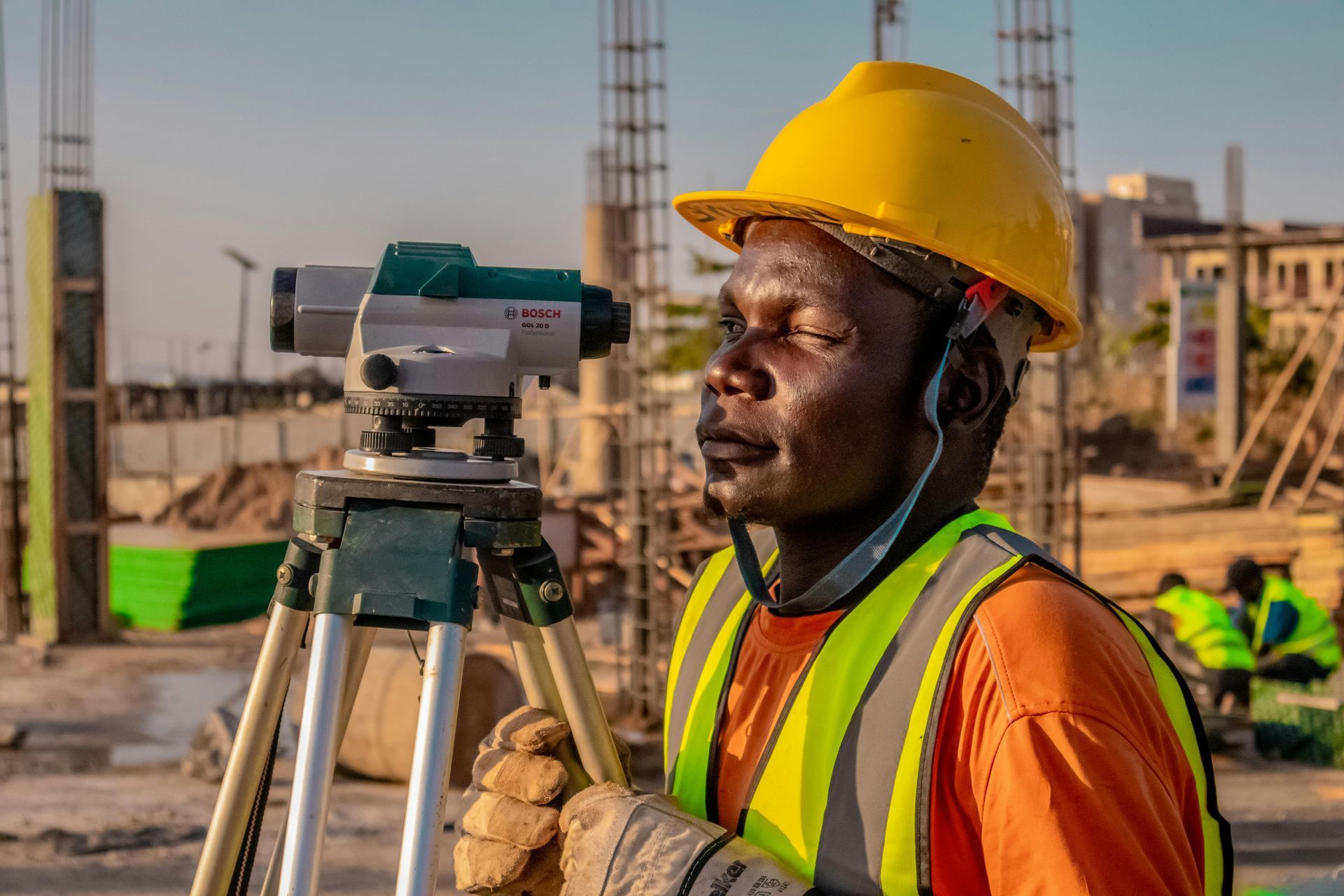
Contractors
Offering coverage for general liability, workers’ compensation, and more to keep your projects secure.
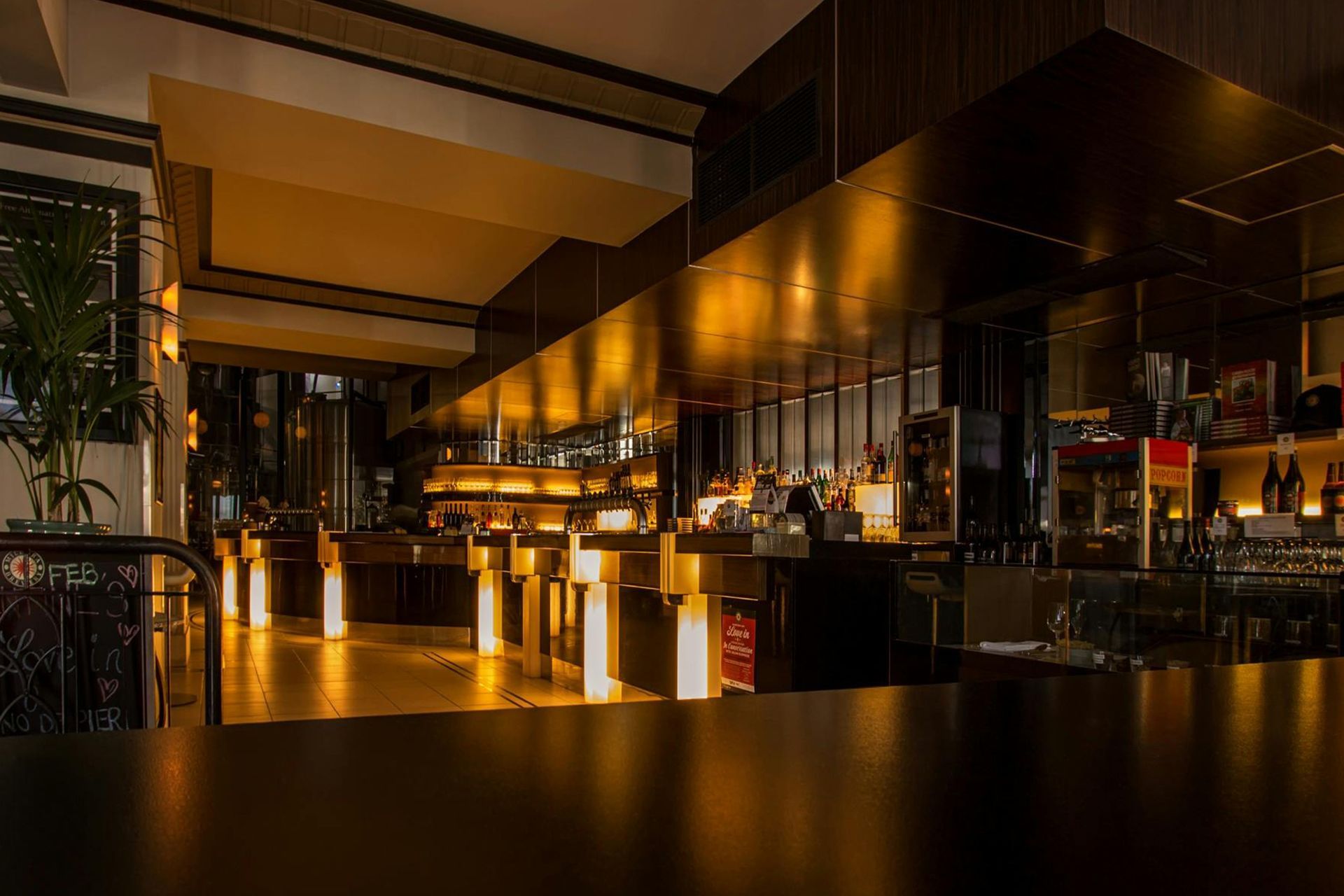
Restaurants
Tailored insurance to protect your business from property damage, food safety issues, and customer liability.

Real Estate Investors
Protect your properties and investments with coverage designed for landlords and developers.
FAQs
Common questions clients asked about D.H. Lloyd & Associates
Find quick answers to common questions about insurance coverage. If you can’t find what you’re looking for, don’t hesitate to reach out to us for further assistance.
What types of insurance does D.H. Lloyd & Associates offer?
D.H. Lloyd & Associates offers a broad range of insurance coverage for both personal and business needs. Whether you’re looking for auto, home, or commercial insurance, we provide customized solutions.
Our team specializes in crafting policies to fit your specific requirements and protect your assets. We also offer specialized coverage for industries like healthcare, restaurants, real estate, contractors, and more.
Our goal is to ensure you're fully covered, no matter your business or personal insurance needs.
How do I know which insurance coverage is right for my business?
Choosing the right insurance for your business depends on several factors, including your industry, size, and the types of risks you face.
At D.H. Lloyd & Associates, we conduct a thorough needs analysis to understand your unique situation. We then recommend tailored coverage options such as general liability, commercial property, workers' compensation, and professional liability insurance.
Our team works closely with you to ensure you have the protection you need for both everyday risks and unexpected events.
What makes D.H. Lloyd & Associates different from other insurance agencies?
D.H. Lloyd & Associates stands out due to our commitment to personalized service and deep industry knowledge. We are a minority-owned, independent agency with over 35 years of experience in providing custom insurance solutions.
Our clients appreciate our clear communication, reliability, and dedication to securing the best possible coverage.
Unlike larger agencies, we offer a more hands-on approach, ensuring you always have an advisor who understands your needs and concerns.
How can I get a quote for my insurance coverage?
Getting a quote with D.H. Lloyd & Associates is simple and quick. You can contact us by phone, email, or through our online form. Once we have your information, we’ll schedule a consultation to discuss your needs in detail.
We’ll then prepare a personalized quote based on the type of coverage you're seeking.
Our team is here to walk you through the process and help you understand your options.
What should I do if I need to file a claim?
If you need to file a claim, we make the process as straightforward as possible. First, contact our office immediately to inform us of the incident.
We’ll guide you through the claims process and help you gather any necessary documentation.
Our team will work with the insurance company to ensure a smooth and efficient resolution. We’re here to provide support every step of the way, ensuring that your claim is processed quickly and fairly.
Our Latest Blogs
Stay informed with expert advice, industry trends, and valuable resources from D.H. Lloyd & Associates to help you make well-informed decisions about your insurance coverage.


Contact Us
