The Evolving Landscape of Maryland Insulation Insurance
A single spark during a spray foam application destroyed a $2.3 million custom home in Howard County last year. The contractor's standard general liability policy denied the claim, citing chemical fire exclusions buried in the fine print. That contractor is now facing bankruptcy, personal liability, and a lawsuit that could follow him for decades.
If you're an insulation contractor working in Maryland, this scenario should keep you up at night. The industry has changed dramatically over the past decade. Fiberglass batts and blown cellulose were once the standard, but spray foam now dominates high-performance building projects across the state. This shift brings tremendous opportunity alongside serious risk exposure that most insurance policies weren't designed to cover.
Maryland's building codes have tightened significantly, and fire marshals are paying closer attention to foam installation practices. Your insurance needs have evolved right alongside these changes. Insulation contractor insurance in Maryland must now address fiberglass, foam, and fire code risks that simply didn't exist twenty years ago. The contractors who understand this reality are protecting their businesses. Those who don't are gambling with everything they've built.
We've seen too many skilled tradespeople lose their livelihoods because they assumed their existing coverage was adequate. This guide breaks down exactly what you need to know about protecting your insulation business in Maryland's current regulatory environment.
Growth of the Spray Foam Industry in Maryland
Maryland's push toward energy efficiency has transformed the insulation market. The state's building energy codes now require R-values that often make spray foam the most practical solution, particularly in older Baltimore rowhouses and tight crawl spaces throughout the Eastern Shore.
Residential spray foam installations in Maryland grew by roughly 40% between 2018 and 2023. Commercial projects, especially in Montgomery and Prince George's counties, have seen even steeper increases. New construction and retrofit work both demand contractors who can handle closed-cell and open-cell foam applications.
This growth means more contractors entering the market, more jobs being completed daily, and statistically more incidents. Insurance carriers have noticed. They're scrutinizing foam contractors more carefully, asking detailed questions about equipment, training, and safety protocols before issuing policies.
Why Standard General Liability is No Longer Sufficient
A basic general liability policy covers slip-and-fall accidents and property damage from ordinary construction activities. It wasn't written with chemical reactions, thermal ignition risks, or vapor barrier failures in mind.
Most standard GL policies contain exclusions for pollution events, which can include foam overspray and off-gassing incidents. They often exclude fire damage that results from your work materials rather than your negligence. Some policies even exclude coverage for work performed in occupied buildings, which describes most residential retrofit projects.
You need specialized coverage that acknowledges the unique hazards of foam installation. Generic policies leave gaps that become chasms when claims arise.
Critical Fire Risks Associated with Foam Insulation
Understanding fire risks isn't just about safety compliance. It directly affects your insurability and premium costs. Carriers want to know that you understand these hazards and have protocols to address them.
Combustibility and Flash Point Concerns During Installation
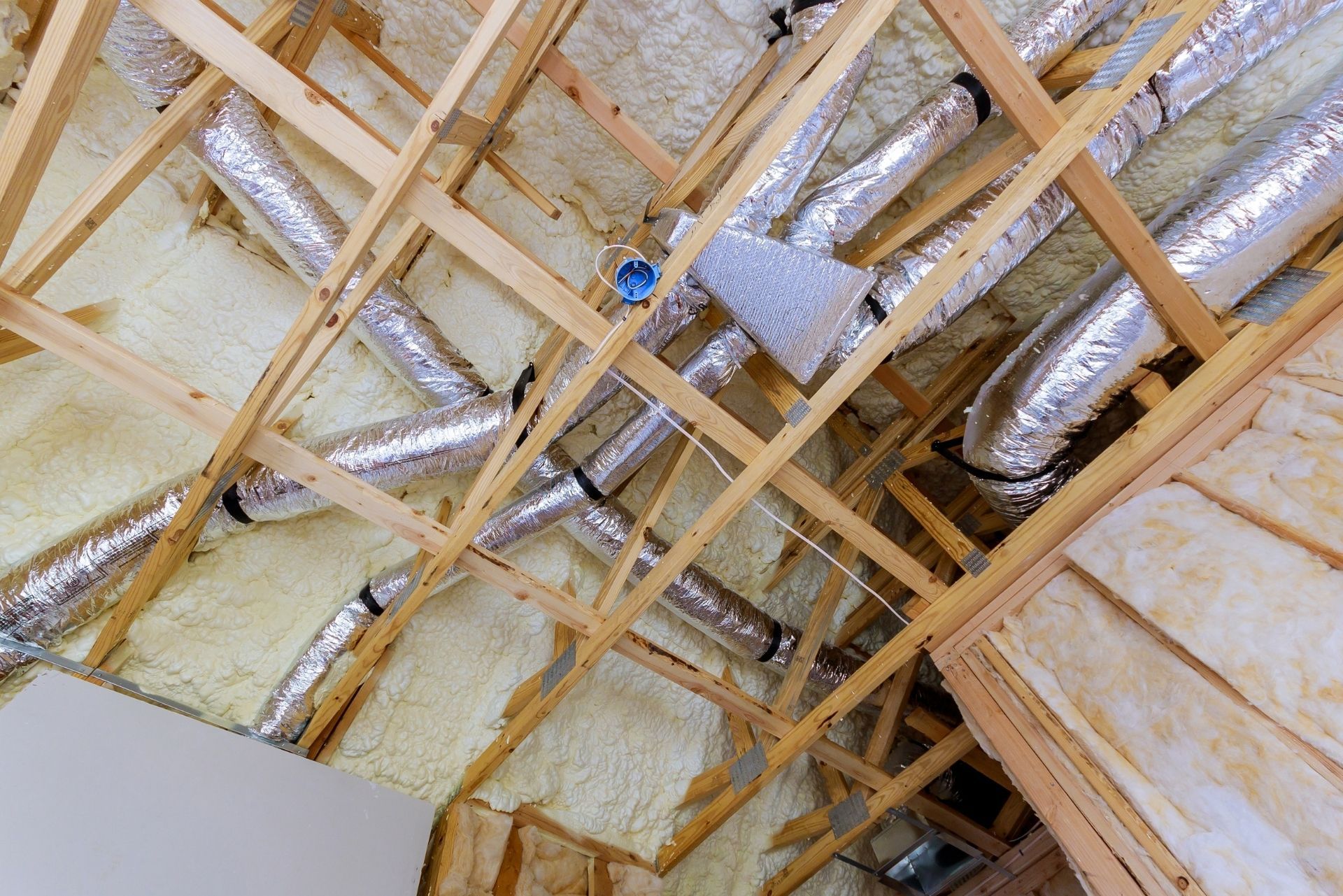
Spray foam chemicals are highly flammable during application. The isocyanate and polyol components react exothermically, generating heat as they cure. In confined spaces with poor ventilation, this heat can reach dangerous levels.
The flash point of uncured spray foam components typically ranges from 200°F to 400°F, depending on the specific product. Nearby ignition sources like pilot lights, electrical work, or even static discharge can trigger fires during the application window. One contractor in Frederick County learned this when foam ignited near an active HVAC unit, causing $180,000 in damage.
Your insurance application will likely ask about your procedures for identifying and controlling ignition sources. Honest, detailed answers here can actually help your rates rather than hurt them.
Off-Gassing and Chemical Fire Hazards
Even after initial curing, spray foam continues releasing volatile organic compounds for hours or days. These gases can accumulate in enclosed spaces and create explosive atmospheres under certain conditions.
Improper mixing ratios amplify this problem significantly. When the chemical balance is off, the foam may never fully cure, continuing to release hazardous vapors indefinitely. This creates ongoing fire risk and potential health hazards for building occupants.
Insurance carriers increasingly require documentation of your mixing procedures and quality control measures. Some now mandate specific equipment calibration schedules as a condition of coverage.
Maryland State Regulations and Safety Standards
Maryland takes construction safety seriously, and insulation work falls under multiple regulatory frameworks. Your insurance coverage needs to align with these requirements, or you risk coverage denials when you need protection most.
Maryland Occupational Safety and Health (MOSH) Compliance
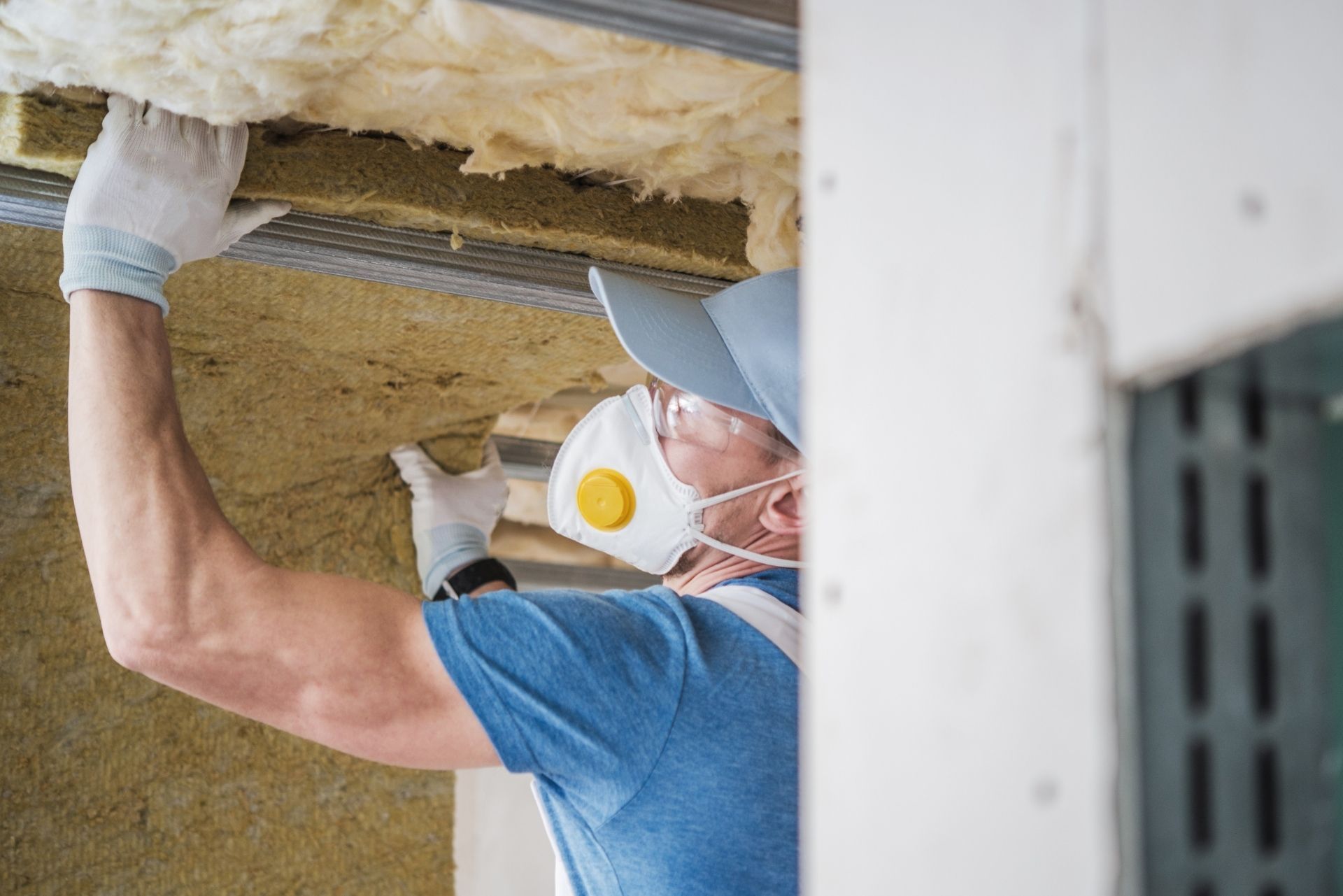
MOSH enforces workplace safety standards that directly impact insulation contractors. Respiratory protection requirements for foam installers are strict, requiring proper fit testing and documentation. Confined space entry protocols apply to many attic and crawl space jobs.
MOSH inspectors have increased their focus on chemical handling and storage practices. Violations can result in fines, but the insurance implications are often worse. A MOSH citation can trigger policy cancellations or non-renewals, leaving you scrambling for coverage.
Maintaining clean MOSH compliance records demonstrates to insurers that you're a lower-risk client. Many carriers offer premium discounts for contractors with documented safety programs that meet or exceed MOSH standards.
Local Fire Codes and Building Permit Requirements
Maryland counties have varying requirements for thermal barriers over spray foam. Most jurisdictions require ignition barriers or thermal barriers depending on the application location and foam type. Baltimore City has particularly stringent requirements for occupied building work.
Permit requirements also vary. Some counties require separate permits for foam installation, while others include it under general building permits. Working without proper permits doesn't just risk fines. It can void your insurance coverage entirely.
| Requirement | Baltimore City | Montgomery County | Anne Arundel County |
|---|---|---|---|
| Separate foam permit | Yes | No | Sometimes |
| Fire marshal inspection | Required | Case-by-case | Required over 200 sq ft |
| Thermal barrier mandate | All applications | Per IRC | Per IRC with local amendments |
Essential Insurance Coverage for Insulation Contractors
Building the right insurance package requires understanding coverage types that address your specific exposures. Generic construction policies miss critical gaps.
Pollution Liability and Chemical Overspray Protection
Standard liability policies treat chemical releases as pollution events and exclude them. Pollution liability coverage fills this gap, protecting you when overspray damages adjacent properties or when off-gassing causes health complaints.
Overspray claims are surprisingly common. Wind shifts, equipment malfunctions, and simple miscalculations can send foam onto neighboring vehicles, HVAC systems, or landscaping. Without pollution coverage, you're paying these claims out of pocket.
Coverage limits of $1 million per occurrence are typical, though high-volume contractors should consider higher limits. Deductibles range from $2,500 to $25,000 depending on your claims history and risk profile.
Professional Liability for Improper Installation Rulings
Professional liability, sometimes called errors and omissions coverage, protects against claims that your work was performed incorrectly. This matters when foam fails to achieve specified R-values, when moisture problems develop due to improper vapor barrier installation, or when fire code violations are discovered during inspections.
These claims often surface months or years after project completion. A homeowner discovers mold growth behind improperly installed foam, or an energy audit reveals performance far below specifications. Professional liability coverage responds to these situations when general liability won't.
Insurance carriers reward contractors who demonstrate proactive risk management. The steps you take today directly influence your premiums tomorrow.
The Importance of Formal Technician Certification
Manufacturer certifications and industry credentials signal competence to insurers. The Spray Polyurethane Foam Alliance offers certification programs that many carriers recognize. Equipment manufacturers also provide training that demonstrates proper application techniques.
Certified technicians make fewer errors, and insurers know this. Contractors with fully certified crews often see premium reductions of 10% to 20% compared to those without documented training programs.
Keep certification records organized and readily available. Your insurance application will ask about training, and providing documentation upfront speeds the underwriting process.
Implementing Rigorous Fire Watch Protocols
Written fire watch procedures demonstrate that you understand and actively manage ignition risks. These protocols should specify pre-work inspections, active monitoring during application, and post-work observation periods.
Many carriers now require fire watch documentation as a coverage condition. Your protocols should address ignition source identification, fire extinguisher placement, communication procedures, and minimum observation times after foam application.
Documenting your fire watch activities creates a paper trail that protects you if incidents occur. It shows you followed industry best practices even when outcomes were unfavorable.
Finding appropriate coverage requires working with agents who understand insulation contractor exposures. Many generalist agents lack experience with foam-specific risks and may place you with carriers that don't understand your business.
Specialty insurance programs exist specifically for insulation contractors. These programs bundle appropriate coverages, understand industry terminology, and have claims adjusters familiar with foam-related incidents. Premiums through specialty programs are often competitive because the underwriters accurately assess risk rather than padding rates due to uncertainty.
When shopping for Maryland insulation contractor insurance that addresses fiberglass, foam, and fire code risks, request quotes from at least three sources. Compare not just premiums but coverage terms, exclusions, and deductibles. The cheapest policy often has the most coverage gaps.
Frequently Asked Questions
Does my general liability policy cover spray foam fire damage? Usually not. Most GL policies exclude fire damage caused by your work materials. You need specific coverage endorsements or a specialized contractor policy.
How much does pollution liability cost for Maryland insulation contractors? Expect $2,000 to $6,000 annually for $1 million in coverage, depending on your revenue, claims history, and specific operations.
Will MOSH violations affect my insurance rates? Yes. Citations can trigger premium increases, coverage restrictions, or non-renewal. Serious violations may make you uninsurable through standard markets.
Do I need separate coverage for fiberglass and spray foam work? Not necessarily separate policies, but your coverage must address both. Spray foam carries higher risk and requires specific endorsements that fiberglass-only work doesn't need.
What happens if I work without the required permits?
Beyond regulatory fines, unpermitted work may void your insurance coverage. Claims arising from unpermitted projects are commonly denied.
Protecting your insulation business in Maryland requires coverage that matches your actual risk profile. Standard policies leave dangerous gaps, particularly around fire risks, chemical exposures, and professional liability for installation defects.
Review your current coverage with these specific exposures in mind. If your policy contains pollution exclusions, lacks professional liability, or doesn't address fire risks from your materials, you're underinsured. The time to discover coverage gaps is now, not when you're filing a claim.
Work with an agent who specializes in contractor insurance and understands the unique challenges facing Maryland insulation professionals. The right coverage costs money, but it costs far less than defending an uninsured claim.
About The Author:
Jelani Fenton
As Owner of D.H. Lloyd & Associates, I’m passionate about helping businesses and individuals find insurance solutions that align with their goals. With a strong background in commercial insurance and client relations, I focus on delivering clarity, accessibility, and dependable protection for every policyholder we serve.
Contact Us
Testimonials
See What Our Washington, DC Clients Say About D.H. Lloyd & Associates
Clients trust D.H. Lloyd & Associates for dedicated support, comprehensive coverage options, and dependable service. With over 35 years of experience, we proudly protect businesses across Washington, DC, and beyond, ensuring peace of mind and unmatched reliability.
Personal Insurance Coverage
Find Reliable Personal Insurance Coverage in Washington, DC

Auto Insurance
Protect your vehicle and stay prepared for the unexpected. Our auto insurance policies cover accidents, theft, and liability, ensuring you stay on the road with peace of mind.

Home Insurance
Safeguard your home and belongings against unforeseen damages or disasters. Our home insurance plans provide coverage for repairs, replacements, and liability protection.

Umbrella Insurance
Enjoy extra liability coverage beyond your standard policies. Umbrella insurance offers additional protection for your assets and future income.

Condo Insurance
Protect your condominium with coverage tailored to your needs. Our condo insurance policies help safeguard your unit and belongings against unexpected damages and losses.

Renters Insurance
Ensure peace of mind while renting. Our renter insurance plans protect your personal belongings and provide liability coverage for unforeseen incidents.

High Net Worth Insurance
Exclusive coverage designed for high-net-worth individuals. Our policies offer comprehensive protection for valuable assets, estates, and unique financial risks.
Protect What Matters Most – Explore All Personal Insurance Options Today!
Business Insurance
Comprehensive Business Insurance Solutions for Your Company
General Liability Insurance
Protect your business from financial risks caused by claims of bodily injury, property damage, or personal injury. Our general liability insurance ensures your business stays secure.
Commercial Property Insurance
Safeguard your business premises and physical assets from damage due to fire, theft, or other disasters. Our policies are designed to keep your business running smoothly.
Workers' Compensation Insurance
Provide financial protection for your employees in case of work-related injuries or illnesses. Ensure your team is covered and your business stays compliant.
Professional Liability Insurance
Shield your business from claims of errors, omissions, or negligence. Professional liability insurance offers peace of mind for service-based industries.
Cyber Liability Insurance
Protect your business from cyber threats like data breaches or system hacks. Cyber liability insurance provides essential coverage for today’s digital landscape.
Industries We Serve
How D.H. Lloyd Ensures Comprehensive Coverage?
At D.H. Lloyd & Associates, we provide specialized insurance solutions for a variety of industries. Below are the key sectors we serve:

Contractors
Offering coverage for general liability, workers’ compensation, and more to keep your projects secure.

Restaurants
Tailored insurance to protect your business from property damage, food safety issues, and customer liability.

Real Estate Investors
Protect your properties and investments with coverage designed for landlords and developers.
FAQs
Common questions clients asked about D.H. Lloyd & Associates
Find quick answers to common questions about insurance coverage. If you can’t find what you’re looking for, don’t hesitate to reach out to us for further assistance.
What types of insurance does D.H. Lloyd & Associates offer?
D.H. Lloyd & Associates offers a broad range of insurance coverage for both personal and business needs. Whether you’re looking for auto, home, or commercial insurance, we provide customized solutions.
Our team specializes in crafting policies to fit your specific requirements and protect your assets. We also offer specialized coverage for industries like healthcare, restaurants, real estate, contractors, and more.
Our goal is to ensure you're fully covered, no matter your business or personal insurance needs.
How do I know which insurance coverage is right for my business?
Choosing the right insurance for your business depends on several factors, including your industry, size, and the types of risks you face.
At D.H. Lloyd & Associates, we conduct a thorough needs analysis to understand your unique situation. We then recommend tailored coverage options such as general liability, commercial property, workers' compensation, and professional liability insurance.
Our team works closely with you to ensure you have the protection you need for both everyday risks and unexpected events.
What makes D.H. Lloyd & Associates different from other insurance agencies?
D.H. Lloyd & Associates stands out due to our commitment to personalized service and deep industry knowledge. We are a minority-owned, independent agency with over 35 years of experience in providing custom insurance solutions.
Our clients appreciate our clear communication, reliability, and dedication to securing the best possible coverage.
Unlike larger agencies, we offer a more hands-on approach, ensuring you always have an advisor who understands your needs and concerns.
How can I get a quote for my insurance coverage?
Getting a quote with D.H. Lloyd & Associates is simple and quick. You can contact us by phone, email, or through our online form. Once we have your information, we’ll schedule a consultation to discuss your needs in detail.
We’ll then prepare a personalized quote based on the type of coverage you're seeking.
Our team is here to walk you through the process and help you understand your options.
What should I do if I need to file a claim?
If you need to file a claim, we make the process as straightforward as possible. First, contact our office immediately to inform us of the incident.
We’ll guide you through the claims process and help you gather any necessary documentation.
Our team will work with the insurance company to ensure a smooth and efficient resolution. We’re here to provide support every step of the way, ensuring that your claim is processed quickly and fairly.
Our Latest Blogs
Stay informed with expert advice, industry trends, and valuable resources from D.H. Lloyd & Associates to help you make well-informed decisions about your insurance coverage.



Contact Us
